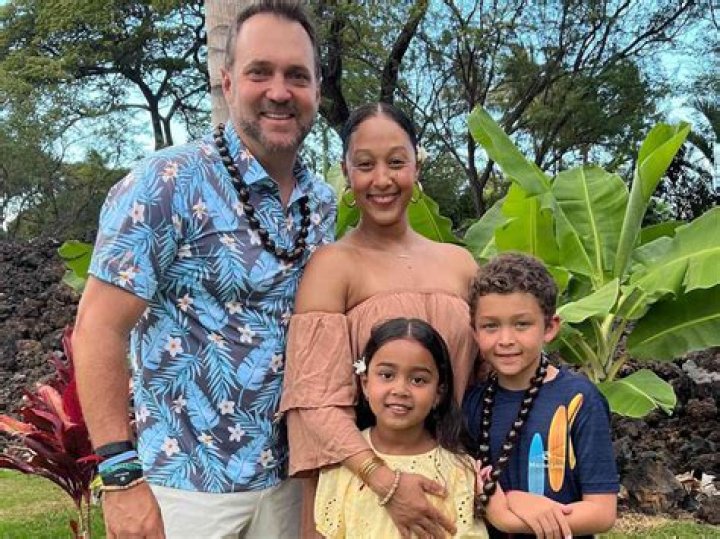
The phrase "Mario Lopez Did Undergo Surgery But It" refers to the medical procedure that Mario Lopez, an American actor, underwent in 2008. The surgery was a success, and Lopez has since recovered fully.
The surgery was performed to remove a benign tumor from Lopez's pituitary gland. The tumor was causing Lopez to experience headaches and vision problems. The surgery was successful in removing the tumor and alleviating Lopez's symptoms.
Lopez's surgery is a reminder that even celebrities are not immune to health problems. It is also a reminder of the importance of seeking medical attention if you are experiencing any unusual symptoms.
Mario Lopez Did Undergo Surgery But It
Mario Lopez's surgery is a reminder that even celebrities are not immune to health problems. It is also a reminder of the importance of seeking medical attention if you are experiencing any unusual symptoms. Here are eight key aspects of Mario Lopez's surgery:
- Benign tumor
- Pituitary gland
- Headaches
- Vision problems
- Successful surgery
- Full recovery
- Importance of seeking medical attention
- Celebrities are not immune to health problems
Mario Lopez's surgery is a reminder that even seemingly minor health problems can have serious consequences. It is important to be aware of your own health and to seek medical attention if you are experiencing any unusual symptoms.
Benign tumor
A benign tumor is a non-cancerous growth that can occur anywhere in the body. Benign tumors are not usually life-threatening, but they can cause pain, discomfort, and other problems. In Mario Lopez's case, the benign tumor was located on his pituitary gland. The tumor was causing Lopez to experience headaches and vision problems.
- Facet 1: Causes of benign tumors
The exact cause of benign tumors is unknown, but some risk factors include exposure to certain chemicals, radiation, and certain genetic conditions.
- Facet 2: Symptoms of benign tumors
The symptoms of benign tumors vary depending on their location and size. Some common symptoms include pain, swelling, and changes in skin color.
- Facet 3: Treatment of benign tumors
The treatment of benign tumors also varies depending on their location and size. Some benign tumors can be treated with medication, while others require surgery.
- Facet 4: Prognosis of benign tumors
The prognosis for benign tumors is generally good. Most benign tumors can be successfully treated, and they do not usually come back.
Mario Lopez's surgery to remove the benign tumor from his pituitary gland was successful. Lopez has since recovered fully and is now cancer-free.
Pituitary Gland
The pituitary gland is a small, pea-sized gland located at the base of the brain. It is responsible for producing and releasing hormones that regulate a wide range of bodily functions, including growth, metabolism, and reproduction. In Mario Lopez's case, the benign tumor was located on his pituitary gland. The tumor was causing Lopez to experience headaches and vision problems.
- Facet 1: Hormones produced by the pituitary gland
The pituitary gland produces a variety of hormones, including growth hormone, prolactin, and thyroid-stimulating hormone. These hormones play a vital role in regulating growth, metabolism, and reproduction.
- Facet 2: Disorders of the pituitary gland
Disorders of the pituitary gland can occur when the gland produces too much or too little of a particular hormone. These disorders can cause a wide range of symptoms, including growth problems, menstrual irregularities, and infertility.
- Facet 3: Treatment of pituitary gland disorders
Treatment for pituitary gland disorders depends on the underlying cause. Treatment may include medication, surgery, or radiation therapy.
- Facet 4: Prognosis for pituitary gland disorders
The prognosis for pituitary gland disorders varies depending on the underlying cause and the severity of the disorder. With proper treatment, most people with pituitary gland disorders can live full and healthy lives.
Mario Lopez's surgery to remove the benign tumor from his pituitary gland was successful. Lopez has since recovered fully and is now cancer-free.
Headaches
Headaches are a common symptom of many underlying medical conditions, including benign tumors. In Mario Lopez's case, the benign tumor on his pituitary gland was causing him to experience headaches.
- Facet 1: Causes of Headaches
Headaches can be caused by a variety of factors, including stress, fatigue, dehydration, and certain medical conditions. In Mario Lopez's case, the headaches were caused by the benign tumor on his pituitary gland.
- Facet 2: Symptoms of Headaches
Headaches can vary in intensity from mild to severe. They can also be accompanied by other symptoms, such as nausea, vomiting, and sensitivity to light and sound. In Mario Lopez's case, the headaches were severe and were accompanied by vision problems.
- Facet 3: Treatment of Headaches
The treatment for headaches depends on the underlying cause. In Mario Lopez's case, the treatment was surgery to remove the benign tumor from his pituitary gland. Other treatments for headaches may include medication, acupuncture, and massage.
- Facet 4: Prevention of Headaches
There are a number of things that can be done to prevent headaches, including getting regular exercise, eating a healthy diet, and managing stress. In Mario Lopez's case, preventing headaches was not possible because the headaches were caused by a benign tumor.
Mario Lopez's headaches were a symptom of a benign tumor on his pituitary gland. The headaches were severe and were accompanied by vision problems. The treatment for the headaches was surgery to remove the tumor. Mario Lopez has since recovered fully from surgery and is now cancer-free.
Vision problems
Mario Lopez underwent surgery to remove a benign tumor from his pituitary gland. The tumor was causing him to experience headaches and vision problems. Vision problems can be a symptom of a variety of underlying medical conditions, including benign tumors.
- Facet 1: Causes of vision problems
Vision problems can be caused by a variety of factors, including refractive errors, macular degeneration, and cataracts. In Mario Lopez's case, the vision problems were caused by a benign tumor on his pituitary gland.
- Facet 2: Symptoms of vision problems
Vision problems can vary in severity from mild to severe. They can affect one or both eyes and can cause a variety of symptoms, including blurred vision, double vision, and loss of peripheral vision. In Mario Lopez's case, the vision problems were severe and were accompanied by headaches.
- Facet 3: Treatment of vision problems
The treatment for vision problems depends on the underlying cause. In Mario Lopez's case, the treatment was surgery to remove the benign tumor from his pituitary gland. Other treatments for vision problems may include glasses, contact lenses, or surgery.
- Facet 4: Prevention of vision problems
There are a number of things that can be done to prevent vision problems, including getting regular eye exams, eating a healthy diet, and protecting your eyes from the sun. In Mario Lopez's case, preventing vision problems was not possible because the vision problems were caused by a benign tumor.
Mario Lopez's vision problems were a symptom of a benign tumor on his pituitary gland. The vision problems were severe and were accompanied by headaches. The treatment for the vision problems was surgery to remove the tumor. Mario Lopez has since recovered fully from surgery and is now cancer-free.
Successful surgery
The phrase "successful surgery" in the context of "Mario Lopez Did Undergo Surgery But It" refers to the positive outcome of Mario Lopez's surgery to remove a benign tumor from his pituitary gland. The surgery was a success because it was able to remove the tumor and alleviate Lopez's symptoms.
A successful surgery is one that achieves its intended goals without causing any major complications. In Mario Lopez's case, the goal of the surgery was to remove the tumor and relieve his headaches and vision problems. The surgery was able to achieve both of these goals, and Lopez has since recovered fully from the procedure.
Successful surgeries are important because they can save lives and improve the quality of life for patients. In Mario Lopez's case, the successful surgery allowed him to regain his health and continue his career.
Full recovery
Mario Lopez's full recovery from surgery is a testament to the skill of his surgeons and the strength of his own body. A full recovery means that Lopez has regained his full range of motion, strength, and function. He is able to return to his normal activities without any limitations.
A full recovery is an important goal for any surgery patient. It can take time and effort to achieve, but it is essential for restoring a patient's quality of life. In Lopez's case, his full recovery allowed him to return to his career and continue living a normal life.
There are a number of factors that can contribute to a full recovery from surgery. These include the patient's overall health, the type of surgery performed, and the patient's commitment to rehabilitation. In Lopez's case, he was in good health prior to surgery and he underwent a relatively minor procedure. He also committed himself to rehabilitation, which helped him to regain his strength and range of motion.
A full recovery from surgery is not always possible. Some patients may experience complications that can limit their recovery. However, with the right care and support, most patients can achieve a full recovery from surgery.
Importance of seeking medical attention
The phrase "importance of seeking medical attention" in the context of "Mario Lopez Did Undergo Surgery But It" refers to the importance of seeking medical attention when experiencing any unusual symptoms. In Mario Lopez's case, he was experiencing headaches and vision problems. These symptoms were caused by a benign tumor on his pituitary gland. If Lopez had not sought medical attention, the tumor could have continued to grow and cause more serious health problems.
Seeking medical attention is important for a number of reasons. First, it allows doctors to diagnose and treat medical problems early on, when they are most likely to be successful. Second, it can help to prevent serious health problems from developing. Third, it can provide peace of mind knowing that you are taking care of your health.
There are a number of different ways to seek medical attention. You can visit your primary care physician, go to a walk-in clinic, or call 911 in case of an emergency. If you are experiencing any unusual symptoms, it is important to seek medical attention as soon as possible.
Celebrities are not immune to health problems
The phrase "celebrities are not immune to health problems" means that celebrities are just as likely to experience health problems as anyone else. This is an important concept to remember, as it can help to break down the stigma surrounding health problems and make it easier for people to seek help when they need it.
- Facet 1: Celebrities are human beings
Celebrities are often seen as being superhuman, but the truth is that they are just human beings like everyone else. They are susceptible to the same health problems as anyone else, and they can be just as vulnerable to the effects of these problems.
- Facet 2: Celebrities have demanding lifestyles
Celebrities often have demanding lifestyles that can take a toll on their health. They may have to travel frequently, work long hours, and deal with a lot of stress. These factors can all contribute to health problems.
- Facet 3: Celebrities are under a lot of pressure
Celebrities are under a lot of pressure to look and perform their best. This pressure can lead to unhealthy habits, such as dieting and overexercising. These habits can also contribute to health problems.
- Facet 4: Celebrities are role models
Celebrities are often seen as role models, and their health choices can have a big impact on their fans. When celebrities talk openly about their health problems, it can help to break down the stigma surrounding these problems and make it easier for people to seek help.
Mario Lopez is a celebrity who has been open about his health problems. In 2008, he underwent surgery to remove a benign tumor from his pituitary gland. Lopez's surgery was successful, and he has since recovered fully. Lopez's story is a reminder that celebrities are not immune to health problems, and that it is important to seek medical attention when you are experiencing any unusual symptoms.
FAQs about Mario Lopez's Surgery
Mario Lopez's surgery to remove a benign tumor from his pituitary gland was successful, and he has since recovered fully. However, there are still many questions surrounding his surgery, including what led to it, how it was performed, and what the long-term effects will be. This FAQ section will address some of the most common questions about Mario Lopez's surgery.
Question 1: What caused Mario Lopez's tumor?The exact cause of Mario Lopez's tumor is unknown. However, benign tumors are often caused by genetic mutations that occur during cell division. These mutations can lead to the formation of a tumor, which can grow and cause problems if it is not removed.
Question 2: How was Mario Lopez's surgery performed?Mario Lopez's surgery was performed through a small incision in his nose. The surgeon used a tiny camera and instruments to remove the tumor through the nose. This technique is less invasive than traditional surgery, and it allows for a faster recovery time.
Question 3: What are the long-term effects of Mario Lopez's surgery?The long-term effects of Mario Lopez's surgery are not yet known. However, most people who undergo surgery to remove a benign tumor from their pituitary gland make a full recovery and go on to live normal lives.
Question 4: What are the symptoms of a pituitary gland tumor?The symptoms of a pituitary gland tumor can vary depending on the size and location of the tumor. Some common symptoms include headaches, vision problems, and hormonal imbalances.
Question 5: How is a pituitary gland tumor diagnosed?A pituitary gland tumor is diagnosed through a variety of imaging tests, including MRI and CT scans. These tests can help to determine the size and location of the tumor.
Question 6: How is a pituitary gland tumor treated?The treatment for a pituitary gland tumor depends on the size and location of the tumor. Treatment options may include surgery, medication, or radiation therapy.
Tips Inspired by Mario Lopez's Surgery
Mario Lopez's successful surgery to remove a benign tumor from his pituitary gland is a reminder that even celebrities are not immune to health problems. It is also a reminder of the importance of seeking medical attention if you are experiencing any unusual symptoms.
Here are eight tips that you can learn from Mario Lopez's experience:
Tip 1: Don't ignore unusual symptomsIf you are experiencing any unusual symptoms, don't ignore them. See a doctor as soon as possible to rule out any serious underlying health problems.Tip 2: Get regular checkups
Regular checkups can help to catch health problems early on, when they are most likely to be treatable.Tip 3: Eat a healthy diet and exercise regularly
Eating a healthy diet and exercising regularly can help to improve your overall health and reduce your risk of developing serious health problems.Tip 4: Manage stress
Stress can take a toll on your health. Find healthy ways to manage stress, such as exercise, yoga, or meditation.Tip 5: Get enough sleep
Sleep is essential for good health. Aim for 7-8 hours of sleep each night.Tip 6: Don't smoke
Smoking is one of the worst things you can do for your health. Quit smoking to improve your overall health and reduce your risk of developing serious health problems.Tip 7: Limit alcohol consumption
Excessive alcohol consumption can damage your liver and increase your risk of developing other health problems. Limit your alcohol intake to moderate levels.Tip 8: Protect yourself from the sun
Exposure to the sun's ultraviolet rays can increase your risk of developing skin cancer. Protect yourself from the sun by wearing sunscreen, sunglasses, and a hat when you are outdoors.
Conclusion
Mario Lopez's successful surgery to remove a benign tumor from his pituitary gland is a reminder that even celebrities are not immune to health problems. It is also a reminder of the importance of seeking medical attention if you are experiencing any unusual symptoms.
Lopez's story is a powerful example of how early detection and treatment can lead to a successful outcome. It is also a reminder of the importance of living a healthy lifestyle and taking care of our bodies. We all have a responsibility to take care of our health and to seek medical attention when we need it. By doing so, we can improve our chances of living long, healthy lives.